Business Waste Removal in Anerley
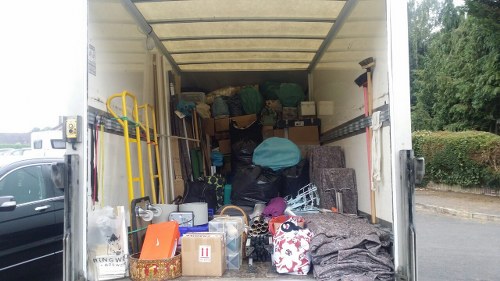
Business waste removal in Anerley needs to be orderly, discreet and suited to day-to-day commercial operations, whether the material comes from an office, shop, studio, workshop or shared premises. Our service is built around collecting mixed business waste and separating out suitable items for recycling or safe disposal, so your premises can stay clear without unnecessary disruption. We handle the practical side of loading, transport and lawful transfer, while keeping the process straightforward for managers who need dependable results.
For many organisations, waste builds up in several forms at once: bagged rubbish, packaging, redundant office items, old displays, broken fixtures and occasional bulky items. Rather than treating every job as the same, we approach each collection around the type of material, access conditions and the space available on site. That makes it easier to clear waste from back rooms, storage areas, bin stores, basements and upper floors without creating avoidable hold-ups. If you need business waste removal with a clear plan and a practical finish, start by asking for a quotation.
We work with customers who want a clear service for regular clear-outs, one-off office changes or the removal of accumulated waste that no longer needs to stay on site. The aim is to provide a service that supports the day’s work rather than interrupting it. Simple, well-managed collections are often the difference between a cluttered workspace and one that is easier to use, clean and organise. Tell us what needs removing and how the property is arranged, and we can discuss the most suitable approach.
Office waste collections and internal clear-outs
Office waste often includes a mix of paper, cardboard, packaging, old stationery, broken chairs, redundant shelving and worn equipment that has reached the end of its useful life. A careful collection can cover these items in a way that respects shared access, desk areas and stored files. Where a workplace is active, planning matters as much as the actual removal, because the waste may sit alongside items that still need to stay in use.
We can help with the removal of accumulated office waste from open-plan spaces, private rooms and storage cupboards, as well as items that have been moved aside during rearrangement or refurbishment. When a workplace is being refreshed, it is often helpful to separate clear disposal items from anything that may be reused, redistributed or stored. That creates a better result and avoids extra handling later on. For less urgent work, our office clearance service can be a useful fit when several categories of office material need attention together.
What usually makes office waste easier to clear

Office collections tend to move more smoothly when items are grouped by type before removal. Cardboard flattened separately from mixed rubbish, for example, can save time during loading, while unused furniture kept together can be managed as a distinct part of the job. This is especially useful in buildings with narrow corridors, stair access or shared entrances, because a clear route reduces avoidable handling.
When a site includes equipment or records, we work carefully around what must not be removed. Business premises often have a combination of recyclable material, confidential papers and reusable items in the same area, so the right approach is to keep the process controlled from the start. If confidential paper is part of the waste stream, the separate option of confidential shredding may help where secure paper handling is required alongside a wider clearance.
A sensible collection plan usually begins with a simple description of the waste and access. You do not need to write a long inventory if that is inconvenient, but a few clear details about quantity, floor level and any awkward items can make the quotation more accurate. If possible, note whether there are lifts, parking limits or loading restrictions, since those practical points can influence how the collection is arranged.
Retail, trade and mixed commercial waste
Shops, studios, trade counters and light commercial premises often generate waste in smaller but more frequent batches than offices. Packaging, damaged stock, display material, broken fittings and general rubbish can build up quickly, especially when stock arrives regularly or the layout changes often. A commercial collection needs to fit around trading hours and the practical realities of moving items through customer areas or stockrooms.
We can remove waste from premises where there is a mixture of commercial refuse and bulky items that no longer have a place on site. This can include shelving units, display pieces, damaged furniture and other non-hazardous material that is ready to go. Where several item types need different handling, it may be useful to plan the removal in stages rather than treat everything as a single pile. For larger mixed loads, the broader waste removal page gives a general overview of the service options available.
Bulky items and furniture disposal for businesses

Some of the most awkward commercial waste items are not small bags at all, but bulky pieces that take up valuable space and need careful lifting. Desks, office chairs, tables, reception seating, cupboards and other worn furniture may no longer match the layout of the building, yet still occupy corridors, storerooms or back offices. Removing these items can free up space for a new arrangement without leaving the site cluttered for longer than necessary.
Where furniture is part of a wider clear-out, it can be grouped with packaging, general waste and other non-hazardous items. That makes the collection more efficient and avoids separate visits where a combined approach would do the job properly. For specific furniture categories, our furniture clearance service and the related furniture disposal page are useful references when you want to understand how individual items or larger groups can be taken away.
In business settings, bulky waste is often most manageable when the route out of the building is planned in advance. Doors, lifts, stairwells and shared access points can all affect how the items are moved. If you are arranging a clearance after a move, refit or stock change, it helps to identify any heavy pieces early. That allows the collection to be shaped around the load rather than the other way around.
Supporting relocations, refits and stock changes
Business waste collections are often linked to a change in how the premises is being used. A relocation may leave behind desks, storage and assorted office material; a refit may produce packaging, old fixtures and unwanted fittings; a stock change may leave a mixture of damaged and surplus items. The collection needs to fit the stage of the project and the timing of the site, so that the waste does not hold up the next step.
When a commercial space is being reorganised, it can be useful to separate items intended for removal from items that are still needed for handover, storage or reuse. That keeps the clearance focused and reduces the risk of something important being taken away by mistake. For mixed household-style contents within a business property, flat clearance may be relevant where a workplace or managed property contains domestic items as part of the task.
We can also help where the removal needs to be staged rather than completed in one sweep. Some premises are easier to clear one area at a time, particularly when staff need to continue working or when access is shared with other occupants. In those cases, a planned sequence can keep disruption lower and make the overall process easier to manage from the customer side.
Waste types we can discuss for a commercial collection

Commercial waste can include a wide range of non-hazardous items, and the best result usually comes from identifying them clearly before collection. Common examples include mixed rubbish, packaging, cardboard, redundant office items, small furniture, display units and broken non-electrical pieces. In some cases, a site may also need help with appliances or other heavier objects, provided they are suitable for the service and can be handled safely.
- Bagged general waste and mixed rubbish
- Cardboard, packaging and loose paper waste
- Office furniture and redundant fittings
- Light commercial fixtures and display items
- Selected bulky items from storage or workspace areas
Not every material is suitable for the same collection, so it is sensible to mention anything that may need special handling at the quotation stage. If the load includes appliances, the separate fridge and appliance removal page may be relevant where the item type deserves its own treatment. Likewise, if the waste is tied to a specific room or function rather than general commercial refuse, a more focused service page can sometimes provide the clearest route.
About Anerley
Anerley is an area in the London Borough of Bromley in south-east London, closely associated with the line of the old Croydon Canal and later the growth of the railway network. The place name is generally traced to the Scottish phrase “anerley,†meaning “solitary†or “lonely,†and it came into use in the nineteenth century as the district developed around Anerley Hill and the routes linking Crystal Palace, Penge and nearby parts of south London. The Crystal Palace area has long shaped the local identity, not least because the original Crystal Palace itself stood nearby after the Great Exhibition of 1851, and the surrounding roads, terraces and transport links developed in response to that remarkable landmark. Today, Anerley sits within a varied urban landscape of residential streets, local parades and transport corridors rather than a single central square, which gives it a dispersed character. Anerley Station on the Overground and the nearby transport connections place it firmly within the daily flow between south London centres, while local routes such as Anerley Road and Anerley Hill reflect the topography of the district. The area is also close to green spaces and water features connected with Crystal Palace Park and the historic landscape around Upper Norwood and Beckenham, giving it access to a mix of urban and open settings. Architecturally, the wider district includes Victorian and later housing, with the street pattern revealing phases of suburban expansion rather than a single planned estate. That combination of transport history, hillside setting and changing urban form helps explain why Anerley remains a recognisable part of London’s layered south-east geography.
Pricing factors and collection planning
Quotation requests are usually clearer when they describe the amount of waste, the type of items and the way the property is accessed. Those details matter because the time needed for loading, the number of people required and the overall disposal route can vary from one site to another. A straightforward bagged-waste collection is not the same as removing bulky furniture from an upper floor, even if both jobs are for the same business premises.
It is also worth noting whether the collection must be arranged around trading hours, a building manager’s rules or limited parking nearby. None of these points is unusual, but they can affect the most practical way to carry out the work. Pricing and quotes is the best page to visit if you want to understand how to request a figure for a specific business waste job and what information is useful to provide.
For many customers, the easiest first step is simply to outline the waste type, the location within the building and any items that may need extra care. If photographs are available, they can help with assessment, but they are not always essential. The aim is to keep the process quick and accurate while still matching the quotation to the actual work required. Call us to discuss the load, or send a clear description if that is easier.
Handling larger clearances and heavier loads
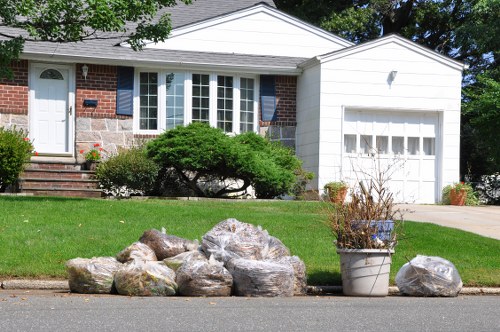
Some business waste jobs involve more than loose rubbish. A storeroom may hold a mixture of shelving, broken furniture and packing material; a refurbishment may leave behind heavier fittings; a long-closed space may contain a broad spread of contents that need sorting before removal. In these cases, the work is less about one single item and more about managing the order in which things are taken away so that the site becomes usable again.
Heavier or more awkward loads are easier to manage when they are described clearly at the outset. That allows us to consider stair access, door widths, narrow corridors and any need to keep certain areas free while the collection is taking place. Where the waste includes items from a garage, storage bay or service area, the dedicated garage clearance page may also be helpful if your premises contains an enclosed space with a different kind of layout.
We keep the focus on practical removal rather than unnecessary disruption. Clear access, sensible grouping and a straightforward handover can all make a difference to how smoothly the collection runs. If you are planning a larger clear-out, it is usually best to identify the main categories first and then decide how to sequence them. That helps the business stay open, tidy and ready for the next stage of work.
Request a quotation for business waste removal
When you are ready to arrange business waste removal in Anerley, the simplest next step is to ask for a quotation based on the type and amount of waste you need cleared. You can describe the items, mention whether the site is an office, shop or mixed commercial property, and note any access details that could affect the collection. If there are separate groups of material, list them briefly so the quotation reflects the real job rather than a rough guess.
Where a wider clean-up is needed, related services such as builders waste clearance, home clearance or loft clearance may also be relevant depending on the type of premises and the items involved. The right option depends on what is actually on site, not on an assumption about the building. For business customers, the aim is to keep the removal practical, proportionate and suited to the material at hand.
Use the contact route that suits you best, and include a clear outline of what needs removing. The more accurately the waste is described, the easier it is to plan the work properly. If you need a prompt starting point, make your enquiry today and ask for a quotation for your Anerley collection.