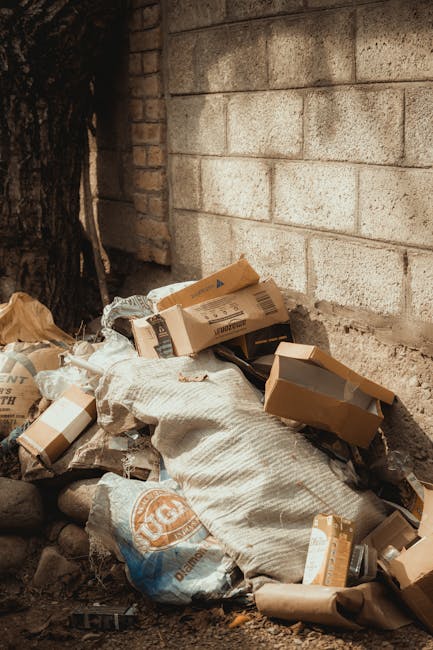
Anerley High Street rubbish removal guide for locals
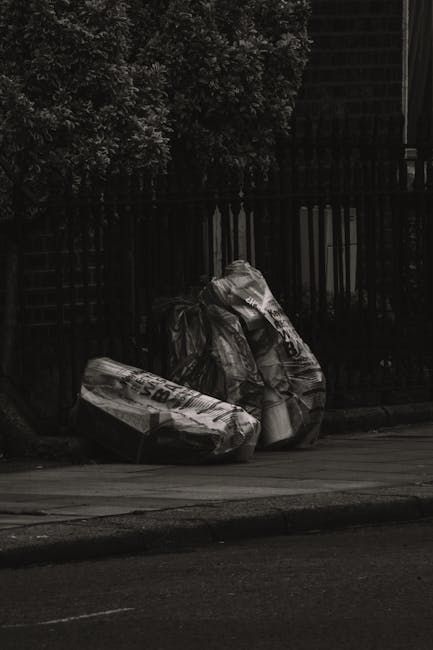
If you live, work, or run a small business near Anerley High Street, rubbish can build up faster than you expect. A back room fills with broken furniture, a flat move leaves awkward odds and ends, or a shop refit produces bags, packaging, and bulky bits that won't fit in the bin. Truth be told, that's when a proper Anerley High Street rubbish removal guide for locals becomes genuinely useful, because the best option is not always the most obvious one.
This guide walks you through the practical side of rubbish removal in the area: what usually needs clearing, how the process works, which service type suits different jobs, what to watch out for, and how to avoid the common mistakes that cost time and money. It's written for local people who want a clear answer, not a sales pitch.
One quick note: if you're planning a larger clearance or mixed waste job, it can help to look at related services such as general waste removal, house clearance, or builders waste clearance depending on what you're actually getting rid of.
Why Anerley High Street rubbish removal guide for locals Matters
Anerley High Street has the usual mix you'd expect from a busy London street: homes, flats, small businesses, takeaways, serviced buildings, and all the everyday clutter that comes with them. Rubbish removal matters here because space is tight, access can be awkward, and mess has a way of becoming more stressful the longer it sits.
For locals, the issue is rarely just "how do I get rid of this?" It's usually a bundle of smaller problems. Where do you put bulky items while waiting for collection? How do you clear waste without blocking a hallway, stairwell, or pavement? What if you've got a mix of furniture, appliance waste, and old packaging? These are the kinds of details that make a simple-looking job suddenly feel messy.
That is exactly why a local guide helps. It gives you a sensible way to think about the job before you start dragging things to the kerb or stuffing bags into a boot. And let's face it, nobody wants to make three trips when one well-planned collection would do the job better.
There's also a trust angle. If you're hiring help, you want to know that waste is handled properly, loaded safely, and taken away in a way that fits normal UK expectations around disposal and recycling. The wrong choice can leave you with fly-tipping worries, extra labour, or a pile of items nobody agreed to take. Not ideal.
How Anerley High Street rubbish removal guide for locals Works
In practical terms, rubbish removal is about matching the waste to the right method. Some jobs are small and straightforward. Others are more like mini-clearances. The process usually starts with a quick assessment of what you have, how much there is, where it is located, and whether anything needs special handling.
For example, a bag of mixed household waste is very different from a flat full of old furniture, or a shop clear-out with confidential paper, display units, and damaged stock. A good plan takes all of that into account before anyone lifts a thing. That sounds obvious, but it's the bit people often skip.
The typical flow is simple:
- Sort the waste into categories: general rubbish, bulky items, recyclables, and anything sensitive or hazardous.
- Check access. Think about stairs, parking, doorway widths, lift use, and any time restrictions.
- Decide whether you need a one-off collection, a full clearance, or a more specialist service.
- Get a clear price structure so there are no surprises on the day.
- Book a slot and make sure the waste is ready when the team arrives.
If the items are mainly bulky household goods, a dedicated service such as furniture clearance or mattress and sofa disposal may be more efficient than a generic clear-out. If the job is more about office contents, paper, or working equipment, then office clearance is the cleaner fit.
In the real world, the best jobs are the boring ones. Everything is identified, access is sorted, and the waste is gone without drama. Simple. Lovely, even.
Key Benefits and Practical Advantages
The biggest advantage of using a structured rubbish removal approach is time. What might take a household half a day, or even a full weekend, can often be handled much faster when the waste is collected efficiently and loaded properly. That matters if you're juggling work, family, or tenants waiting to move in.
There's also the physical side. Lifting bulky or awkward items can be tiring, and sometimes risky if you're dealing with staircases, narrow halls, or damp outdoor areas. A sensible removal plan reduces the amount of lifting you have to do yourself.
Other practical benefits include:
- Less clutter in the home, flat, shop, or yard
- Better safety around doorways, corridors, and shared entrances
- Faster turnaround for moves, refits, and renovations
- Cleaner recycling choices when items are separated properly
- Less stress because someone else handles the loading and disposal logistics
If you're dealing with a mixed load, it can also be useful to think about the end destination of each item. For example, some waste is better handled through recycling and sustainability-focused disposal, while certain appliances may need fridge and appliance removal because they need separate treatment.
Expert summary: the best rubbish removal outcomes usually come from good sorting, clear access, and choosing the right service for the waste type. When those three things line up, everything else feels easier.
Who This Is For and When It Makes Sense
This guide is for anyone around Anerley High Street who needs waste gone without turning it into a weekend project. That includes tenants, landlords, homeowners, shop owners, tradespeople, and office managers. If the words "I'll sort it later" have been sitting in your head for three weeks, this is probably for you too.
It makes sense in a few common situations:
- You're moving out of a flat and need to clear leftover items quickly.
- You've finished a small renovation and have plasterboard, packaging, and offcuts.
- You're replacing furniture and the old pieces are too large for normal bin collection.
- You've got a garden or garage that has quietly become a dumping ground.
- Your business needs to remove office waste, old fittings, or archive material.
For compact homes and flats, flat clearance is often the neatest route. For houses, lofts, garages, or rooms full of mixed belongings, home clearance, loft clearance, or garage clearance may make much more sense.
And if you're not sure which category fits? That's normal. Waste never arrives neatly labelled. One box of "miscellaneous" can contain three different disposal needs, maybe four if you've been tidying since 8am.
Step-by-Step Guidance
Here's a practical way to approach rubbish removal around Anerley High Street without overcomplicating it.
1. Walk the space first
Before you move anything, do a quick walk-through. Look at the waste pile, the access route, and any bottlenecks. In a flat or terrace, stair width and landing space can make a big difference. In a shop, think about door timings, customer flow, and where items can be staged safely.
2. Separate what you can
At minimum, split waste into broad groups: general rubbish, furniture, electrical items, garden waste, and anything potentially hazardous. You do not need museum-level precision, but a little sorting saves a lot of guesswork later.
3. Flag awkward items early
Bulky sofas, old mattresses, broken fridges, and construction debris can change the whole job. If you wait until collection day to mention them, you may end up with delays or extra handling needs. Better to say it upfront.
4. Check disposal restrictions
Some items cannot just be mixed in with general waste. Batteries, paint, chemical containers, and similar materials need special care. If you have anything in that category, consider a specialist approach such as hazardous waste disposal.
5. Compare the type of service, not just the headline price
A cheap quote sounds good, obviously. But if it doesn't include loading, sorting, or the right waste type, it can become more expensive in practice. Look at what is included, how the waste is priced, and whether the team understands the access on your street or building.
6. Prepare the waste for collection
By the time the team arrives, the path should be clear, the items should be grouped, and anything staying should be moved out of the way. If you can wheel, stack, or bag things safely in advance, the whole collection tends to go smoother.
7. Confirm the result
At the end, do a quick check. Have all agreed items gone? Has anything been left behind by mistake? Is the space sweepable now? Tiny check, big payoff.
Expert Tips for Better Results
One of the best things you can do is aim for a "single-load mindset." In plain English, that means preparing the waste so it can be taken in one clean visit rather than spread over multiple half-finished trips. It saves time and keeps the job tidy.
Another useful tip is to think in terms of access, not just volume. Two small chairs can be awkward if they have to come down three flights of stairs. A garage full of light cardboard might be more manageable than a single heavy wardrobe. Weight and shape matter. A lot.
It also helps to be honest about what is mixed together. If there is rubbish, reusable furniture, and something potentially hazardous all in one area, mention it. Good planning depends on accurate information. Otherwise, you end up with that slightly awkward "oh, and there's also..." moment on collection day.
For local homes, the following services often overlap in real life:
- furniture disposal for damaged or unwanted pieces
- mattress and sofa disposal for bulky soft furnishings
- garden clearance for cuttings, soil, pots, and outdoor clutter
- builders waste clearance for renovation debris and DIY leftovers
One small but important tip: if you are comparing options, also check the provider's insurance and safety information and their health and safety policy. It's not the glamorous bit, no, but it matters when people are moving bulky objects through shared spaces.
Common Mistakes to Avoid
The most common mistake is underestimating the job. People glance at a pile of clutter and think, "That's fine." Then they try to move it and realise there are screws, bags, broken parts, or a damp smell coming from somewhere in the middle. It happens all the time.
Other mistakes worth avoiding:
- Mixing everything together and hoping it can all be taken as one load
- Leaving access issues until the last minute
- Forgetting about items in lofts, sheds, or garages
- Assuming appliances can go with normal waste
- Not asking how pricing is calculated
- Trying to clear hazardous materials without a proper plan
A subtle one is overfocusing on the obvious waste and forgetting the hidden stuff. Under beds, behind storage units, in that back cupboard nobody opens, there's often more than you expect. You'll notice it the second the room is almost empty. Funny how that works.
Another avoidable problem is using the wrong service altogether. A light tidy-up does not need the same approach as a full property clearance. Likewise, a commercial clear-out should not be treated like a household bin run. Choosing the wrong fit creates friction where none is needed.
Tools, Resources and Recommendations
You do not need a truckload of equipment to organise rubbish removal well. In fact, too many people overcomplicate it. A few sensible tools and habits are usually enough.
- Sturdy bin bags for lighter mixed waste
- Gloves for sharp edges, dust, and general grime
- Marker pen and labels to identify keep, donate, recycle, and remove piles
- Measuring tape if you're dealing with bulky furniture or awkward access
- Basic camera photos to document the waste before collection
For service planning, these pages are especially helpful if your waste job has a specific shape:
- pricing and quotes for understanding how jobs are usually estimated
- book online if you prefer a quick, straightforward next step
- what can go in a skip if you are weighing up skip-style disposal versus collection
- confidential shredding for paperwork that should not just go in a mixed waste load
One practical recommendation: keep a small "not sure" pile while sorting. If you can't immediately tell whether something is reusable, recyclable, or needs special disposal, set it aside. That tiny pause often saves a headache later.
Law, Compliance, Standards, or Best Practice
Waste disposal in the UK is not something to treat casually. You do not need a law degree to handle a household clear-out, but you should follow sensible best practice. That means making sure waste goes to a legitimate destination, not dumped somewhere unofficial because it was cheaper or quicker.
If you are a business, your responsibilities are usually stricter than a typical home clear-out. Keep records where needed, separate sensitive material from general rubbish, and use a provider that can explain how waste is managed. A proper business waste removal approach should feel organised, not vague.
For both homes and businesses, a few principles are worth keeping in mind:
- Do not mix hazardous items with normal waste.
- Be honest about the waste type and amount.
- Check that the provider is equipped to handle the load safely.
- Use best practice around recycling where suitable.
- Keep things tidy on shared access routes and pavements.
That last point sounds small, but it matters in tight local streets. Nobody wants a staircase blocked by broken furniture or a pavement turned into an obstacle course. It's messy, it's avoidable, and it makes everyone grumpy.
If you want to know more about the company's own standards, the pages on about us and recycling and sustainability are useful places to understand approach and values without the fluff.
Options, Methods, or Comparison Table
There is more than one way to clear rubbish, and the right method depends on the volume, type, and urgency of the waste. Here's a practical comparison to help you choose.
| Method | Best for | Advantages | Watch-outs |
|---|---|---|---|
| DIY disposal | Very small, light loads | Low cost if you already have transport | Time-consuming, heavy lifting, multiple trips |
| Skip-style solution | Building work, ongoing clearing, large static piles | Useful for repeat loading | Needs space and planning; not always ideal for narrow streets |
| Man-and-van style rubbish removal | Bulky mixed loads, flats, quick clearances | Fast, flexible, less lifting for you | Best when the waste is clearly described in advance |
| Specialist clearance service | Homes, offices, garages, lofts, or specific item types | Tailored to the job and the access | May cost more if the service is over-specified for a small task |
If you are in a flat or upstairs property, a clearance-led approach is often easier than trying to manage it all yourself. For large domestic jobs, house clearance can be the most practical option. For commercial premises, office clearance usually fits better than a one-size-fits-all collection.
Case Study or Real-World Example
Here's a realistic local-style scenario. A flat near Anerley High Street is being handed back at the end of a tenancy. The tenant has already taken personal items, but the place still has a mattress, a small wardrobe, a broken chair, three bags of mixed waste, and an old microwave that stopped working months ago.
At first glance, it looks like a simple "just chuck it out" job. But the access is narrow, there are two flights of stairs, and the hallway needs to stay clear because other residents use it constantly. The better plan is to group the waste, identify the appliance separately, and keep the route clear before collection.
That is where a mixed clearance approach helps. Furniture goes in one group, appliance waste in another, and the general rubbish is bagged so it can be loaded quickly. If the microwave and similar items are being removed too, a specific appliance service keeps the job tidy. If the old sofa is the main issue, then a dedicated sofa disposal route is the cleaner choice.
The result? Less stress on moving day, fewer awkward lifts, and a flat that can be handed back without the usual last-minute scramble. Not glamorous, perhaps, but exactly the kind of practical win local people appreciate.
Practical Checklist
Use this checklist before collection day. It keeps the process calm and stops the "oh, I forgot that bit" moment.
- Identify every item that needs to go.
- Separate general rubbish from bulky items.
- Set aside anything hazardous or uncertain.
- Clear the path from the waste to the exit.
- Check for stairs, parking, lifts, or door restrictions.
- Take photos if you want a simple record of the load.
- Confirm what is included in the service.
- Ask about recycling or special handling if needed.
- Make sure residents, staff, or neighbours know about access if relevant.
- Do a final check once the waste is removed.
If your job includes sensitive paperwork or old files, it may also be worth separating them ahead of time and using confidential shredding rather than mixing them with general rubbish.
Conclusion
Anerley High Street rubbish removal does not need to be complicated. The secret is to start with a clear view of what you have, choose the right type of service, and prepare the space so collection day runs smoothly. That alone removes most of the stress.
For locals, the best results usually come from a simple formula: sort the waste properly, be honest about access, and pick the service that matches the real job rather than the one that merely sounds cheapest. That's how you avoid delays, surprises, and the tired feeling of still being surrounded by clutter at the end of the day.
If you want to make the next step easy, take a moment to review the relevant service pages, check pricing, and decide what kind of clearance best suits your load. Small bit of planning now, much less hassle later.
Get a free quote today and see how much you can save.
Frequently Asked Questions
What counts as rubbish removal for local homes and flats?
It usually covers mixed household waste, bulky items, unwanted furniture, small appliances, bagged rubbish, and similar items that need loading and disposal. If it's more of a full-property emptying job, a clearance service may be a better fit than a simple collection.
Is it better to choose a clearance service or a skip?
That depends on space, access, and the type of waste. A skip can suit ongoing work or repeated loading, while a collection-based service is often easier for flats, narrow streets, and one-off bulky clear-outs. If you're unsure, compare the waste type first, not the label.
Can I mix furniture, bags of rubbish, and appliance waste together?
Sometimes, yes, but only if the provider is set up to take mixed loads and the items are acceptable together. Appliances and anything unusual should be disclosed in advance. It's much better to flag them early than hope for the best on the day.
What should I do with an old sofa or mattress?
Those items are bulky, awkward, and often better handled through a dedicated disposal route. A sofa or mattress usually needs more careful handling than standard rubbish, so separate them if you can.
How should I prepare rubbish before collection?
Group similar items together, bag loose waste where practical, remove anything you want to keep, and clear the access route. If you can make the loader's job easier, everything tends to move faster.
Are there items that need special treatment?
Yes. Things like batteries, chemicals, paint, and certain electrical or refrigerant-containing items may need separate handling. If in doubt, keep them aside and ask before collection rather than mixing them into general waste.
What if I live on an upper floor with tight stairs?
That's very common around London, and it just means access needs to be planned more carefully. Measure awkward items, clear landings, and make sure the route is ready. For lots of bulky pieces, a clearance approach is usually easier than moving everything yourself.
How do I know if I need house clearance or home clearance?
As a rough guide, house clearance suits larger or fuller properties, while home clearance can suit a smaller or more general domestic tidy-up. The practical difference is usually scale rather than a strict technical rule.
Can businesses use the same type of service as households?
They can, but business waste often needs a more organised and documented approach. Offices, shops, and workspaces may need separate handling for paperwork, fixtures, and equipment. If you run a business, it's worth checking the details before you book.
What is the safest way to handle hazardous waste?
Keep it separate, do not mix it with general rubbish, and use a specialist disposal route. Safety comes first here. No shortcuts, no guessing.
How can I avoid overpaying for rubbish removal?
Be precise about the waste type, volume, and access conditions. Ask what is included, whether lifting is part of the service, and whether there are extra charges for unusual items. A clear brief usually leads to a cleaner price.
What happens if I'm not sure what category my waste fits into?
That's normal, especially with mixed household or renovation waste. Take photos, separate the obvious items, and ask for guidance before collection. A quick conversation can save a lot of back-and-forth later.
If you'd like to understand the company background, standards, or policies before booking, the pages on about us, terms and conditions, and payment and security are worth a look.
And if you are ready to sort the mess out properly, a few minutes of planning now can make the whole thing feel lighter. That's usually the moment people realise the clutter wasn't the real problem - the uncertainty was.